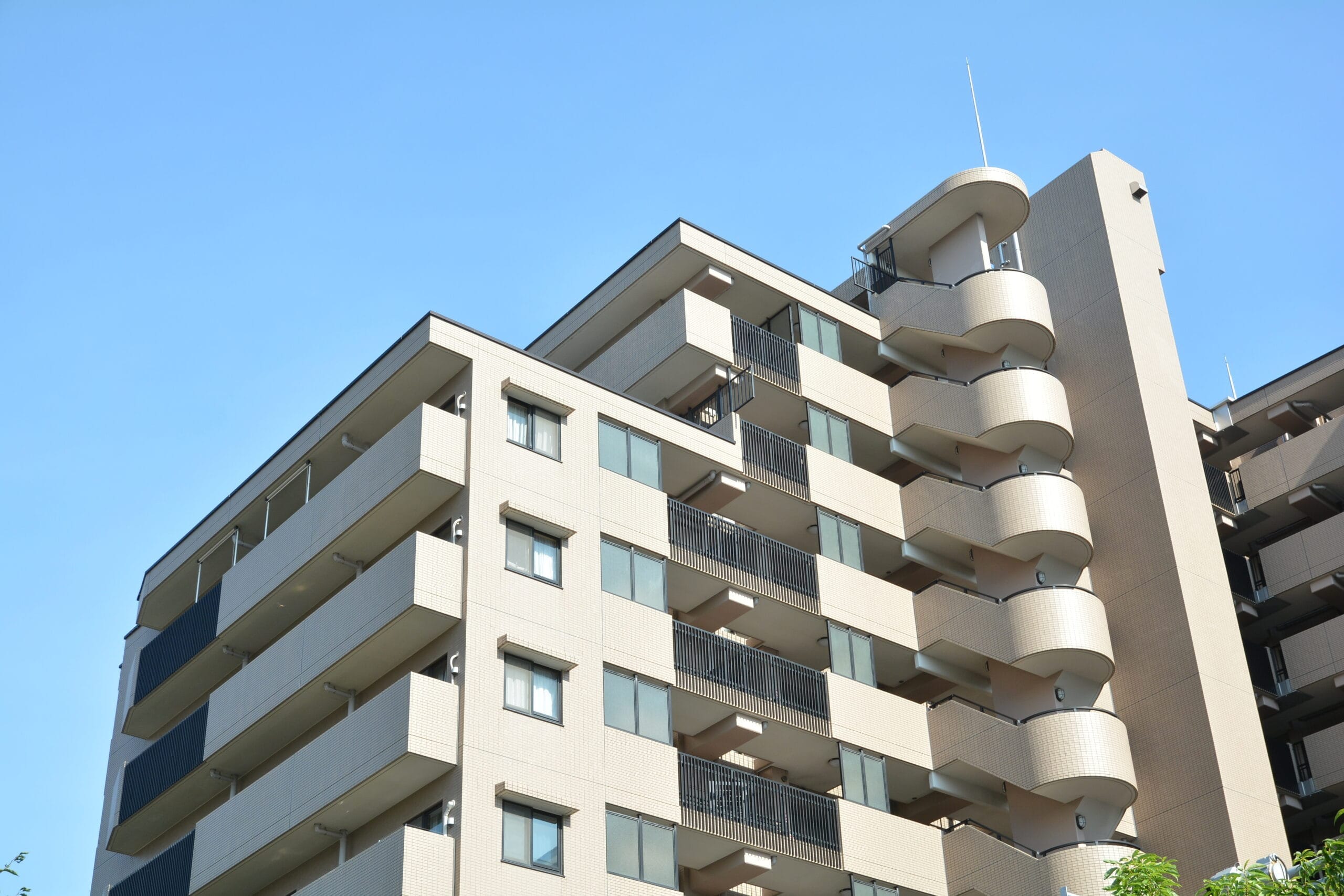
Balcony renovation work is always a particularly thorny issue in condominium settings. When carrying out work in a condominium, there are specific duties and responsibilities to be respected. The division of expenses, in some cases, can be particularly problematic. The balcony, while being private property, is always a very important element of a building’s facade. Who is responsible for balcony renovation? Who is responsible for the related expenses? Who is entitled to request tax benefits for this type of work? Let’s analyze the topic in greater detail.
Balcony renovation: the most common interventions
Balconies are a part of a building extremely exposed to the action of atmospheric agents. They therefore tend to suffer wear and tear over time and damage caused by natural disasters in particular. The reasons for wanting to renovate a balcony are therefore varied, as are the works to be carried out on the structure in question.
When speaking of balcony renovation, reference is made to various interventions. This refers to the renovation of the entire balcony structure, partial renovation of the flooring, or the underside of the balcony. The balcony remodeling interventions most commonly performed are:
- consolidation
- waterproofing
- flooring replacement
- upgrading and renewal of railings
Projecting Balconies and Recessed Balconies: Different Interventions and Different Responsibilities
Usually it is the condominium regulations that define rules and criteria for dividing the renovation costs of terraces and balconies. Or rather, according to regulations, the renovation of condominium balconies is the responsibility of the owners. However, it is necessary to evaluate what type of balcony is being worked on.
Depending on the type of balcony to be renovated, different work will need to be undertaken. In this regard, it is important to keep in mind that balconies are divided into two main categories. Generally, we speak of projecting balconies and recessed balconies.
Who is Responsible for Renovating Cantilevered Balconies
Most of the balconies in our homes are “projecting,” thus constituting an extension of the apartment that protrudes beyond the building’s perimeter. The projecting balcony is an integral part of the structure and only the owner can decide whether to perform maintenance, taking responsibility for it themselves. The condominium assembly has no power to impose on residents the execution of renovation work on this part of the building. However, parts of architectural value, fundamental elements for the aesthetics of the building’s facade, are considered common property of the condominium. In this case, the expense for these elements will be divided according to thousandths among all residents, even those who do not own a balcony. Among works of this type we can include painting, external plaster renovation, stucco touch-ups, renovation of parapets, planters and railings that have decorative value.
Who is Responsible for Renovating Recessed Balconies
Recessed balconies are defined as such because they are an integral part of a building’s facade. In this case, the costs for repairing the parapet, or railing, must be borne by the condominium. Regarding the repair costs for the underside of the balcony and slabs, the expenses will be split in half between the owners of the properties that share the recessed balcony to be renovated.
What Permits Are Required to Renovate a Balcony?
Is a permit required for the balcony renovation? There is no single answer to this question. The obligation to request a permit varies depending on the intervention that will be performed on the balcony. If you intend to replace or repair masonry parts without altering the characteristics of the balcony being repaired in any way, permission will not be required. This type of work falls, in fact, under unrestricted construction activities. If the work aims, instead, to modify the characteristics of the balcony, it will be necessary to request the SCIA (Certified Notice of Commencement of Activity) from the municipal offices of the property in question. If you wish to build a balcony from scratch, a building permit will be required.
What Tax Bonuses are Available for Balcony Renovation?
There is no specific bonus for balconies. However, this does not mean that you cannot access highly advantageous tax incentives for balcony renovations. Many of the renovation works that can be carried out on a balcony fall under the 2026 Renovation Bonus. These include:
- the construction of a new balcony,
- the transformation of a balcony into a veranda,
- masonry work,
- covering work,
- installation of fixtures,
- flooring,
- lighting renovation
Through this bonus, you will be entitled to an IRPEF tax deduction which, in 2026, is 50% for primary residences and 36% for second homes on a maximum of €96,000, to be deducted in ten equal annual installments. The bonus is also available for building renovations, extraordinary maintenance, conservative restoration, and refurbishment of common areas in residential buildings (in this case, the deduction for common areas is confirmed at 50%).
Furthermore, in the event of a renovation, it will be possible to purchase balcony furniture using the 2026 Furniture Bonus which has a maximum spending limit of €5,000.
Are you considering the opportunity to renovate a balcony? Are you thinking of buying a new house and reflecting on possible renovation interventions? Are you looking for expert advice before proceeding with the purchase of an apartment in a condominium? Contact us immediately for a quote and site inspection, with Domidea they are always free and without obligation.