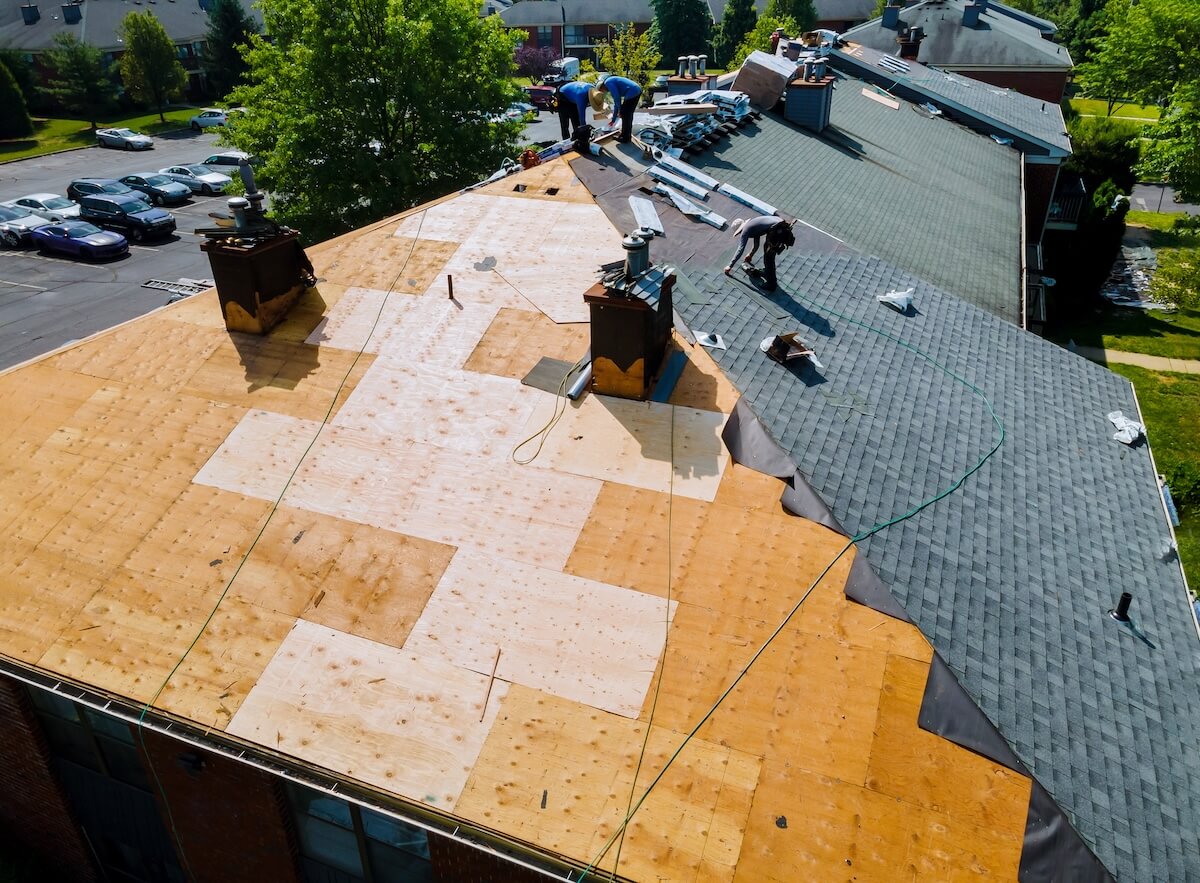
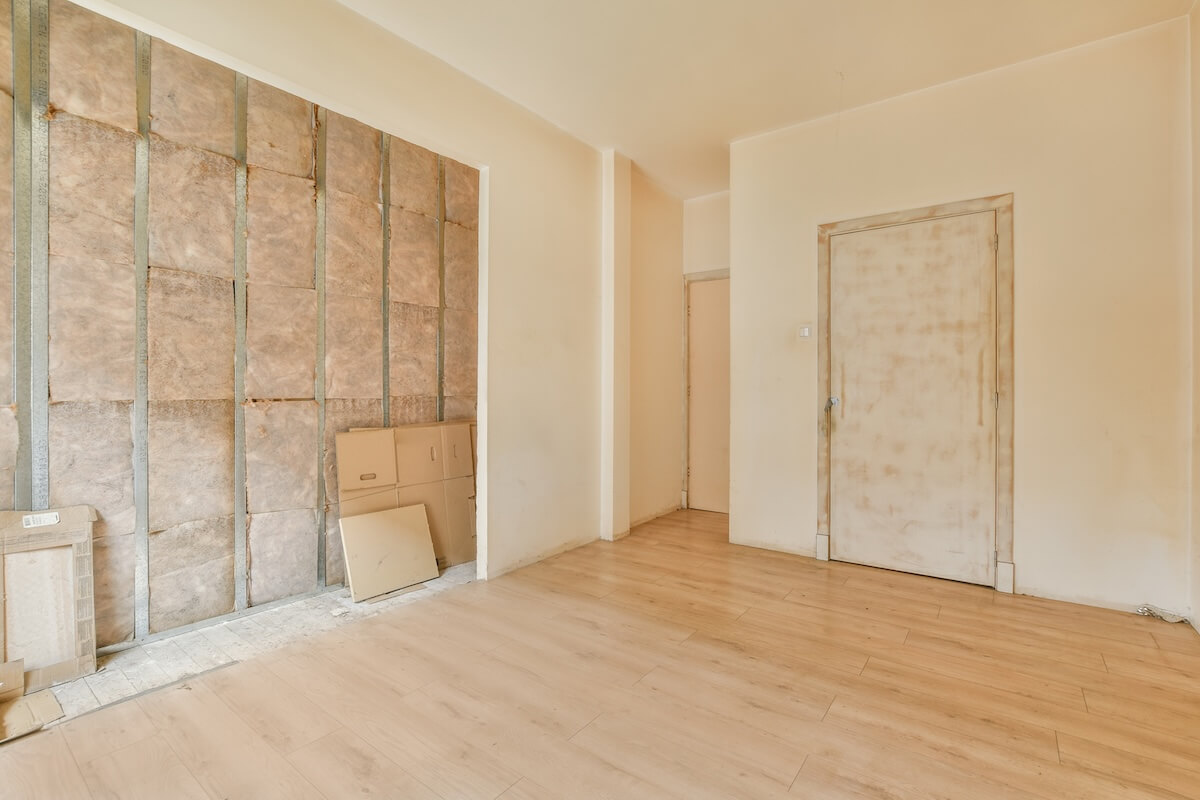
Renovation bonuses represent an excellent opportunity for those who want to renovate their home. In fact, the bonuses allow for IRPEF deductions up to 10 years after the intervention. But if the renovated property passes to the heirs, what happens to the remaining installments? The Revenue Agency provides precise guidelines on the rules for transferring the deduction for building interventions to the heirs.
How Do Tax Bonuses for Renovation Work?
Tax deductions for renovation work are incentives designed to encourage the recovery of Italian building heritage, also promoting energy requalification. Tax deductions can be accessed by carrying out building renovation, extraordinary maintenance, restoration, and conservative rehabilitation work. One of the most requested tax deductions is the
Inheriting the Tax Deduction
In the event of the death of a taxpayer, the actual holder of the tax deductions, how should one proceed? If the taxpayer had not filed the income tax return before death, it will be up to the heirs to file it. The filing will always be done through a Personal Income Tax Return model or a 730 model. In addition to that of the deceased, the heirs will also have to file their income tax return, as per standard practice.
The Remaining Installments of the Bonuses as an Asset, What are the Conditions
After death, the estate of the deceased is divided among the legitimate heirs. If the taxpayer benefited from renovation charges, this credit is part of their estate and must also be divided among the heirs. However, several factors must be considered:
- If the property is available and intended for multiple heirs, the deductions will be due to the heirs in equal parts.
- If there are multiple heirs, but only one resides in the property, the deduction will be entirely due to the one residing in the property. The other heirs are therefore excluded. For example, if the property is inhabited by the surviving spouse, the deduction share for the year of death is transferred to the spouse, even if this occurs in the same year the expense was incurred. The deduction is solely due to the heir who can immediately and freely dispose of the inherited property, regardless of whether it is used as the main residence or not.
- If an individual renounces the inheritance of the deceased, but retains the right to housing, they will also lose the possibility of deducting the remaining expenses (considered part of the inheritance).
- If, by selling the property, the deceased had decided to retain the deduction related to the interventions on the property, it will not be possible for the heirs to inherit the deduction of the remaining installments, as they no longer have the availability of the asset.
The availability of the asset is a necessary requirement to determine the entitlement of the deduction to the heirs. Without this, the possibility of benefiting from the remaining deduction is permanently lost.
Documents to Keep for Obtaining Tax Deductions
It is important to remember that to deduct renovation work, it is always necessary to keep the documents that detail the expenses incurred. Heirs must also keep:
- Invoices or documents issued by suppliers of goods and services, containing the data of the company in charge of the renovation work (name, address, and VAT number), a detailed description of the work carried out, the total amount of the expense incurred, and the data of the property on which the work was carried out.
- Receipts of bank or postal transfers related to the payment of invoices
- Administrative authorizations or any building permits
- Certificates of professional qualification of the companies and craftsmen commissioned to carry out the work.
Want to know more? Contact us now, our tax and construction experts will answer all your questions.