In a home, parquet flooring conveys both elegance and warmth: it is no coincidence that parquet is one of the most popular choices for both classic settings and modern interiors.
However, it is important to make a distinction right away: wood flooring and parquet are not the same thing. Parquet (the term derives from the French “parc”) is a specific type of flooring with wooden elements where the boards or planks are laid to form a pattern or an orderly design and a level, uniform surface.
That being said, let’s look at the various possibilities for replacing the flooring in your home with parquet.
Solid wood parquet flooring
Solid parquet, supplied in its raw state, retains the authentic charm of natural wood over time. Its structure, composed entirely of hardwood, makes it particularly resistant to stress and daily wear, ensuring superior durability compared to other types of wood flooring.
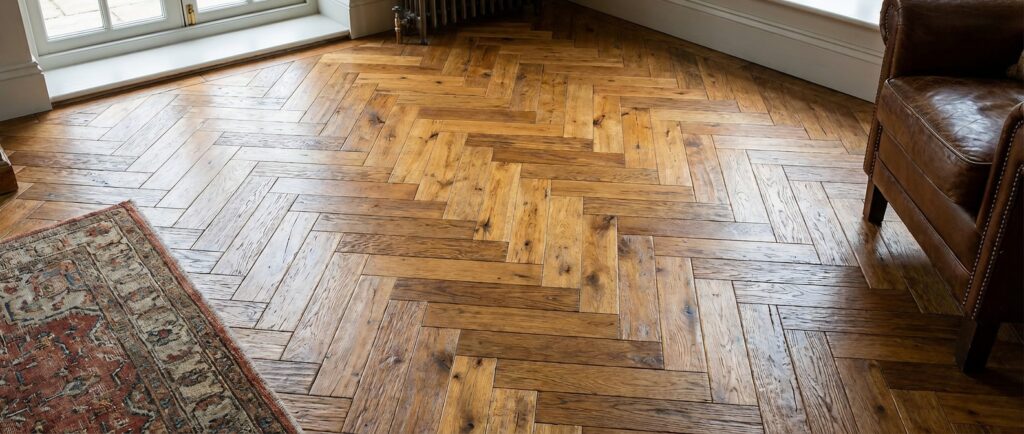
Solid parquet features variable thicknesses generally between 12 and 22 mm, a guarantee of solidity and robustness, and is crafted from fine wood species and variants such as oak, fir, bamboo, teak (particularly suitable for outdoor flooring), maple, beech, cherry, and wenge.
The planks are supplied untreated: after installation, it is necessary to proceed with sanding and finishing to achieve a uniform and customized aesthetic result before use.
Among the main advantages of this solution is the improvement of thermal and acoustic insulation, helping to create more comfortable, warm, and quiet spaces.
From an economic standpoint, solid wood parquet is the most expensive: in addition to the cost of the raw material, which varies by species, it requires more labor for installation, sanding, and finishing. As a guide, solid oak parquet costs around €60 per square meter.
Wood flooring with multilayer parquet
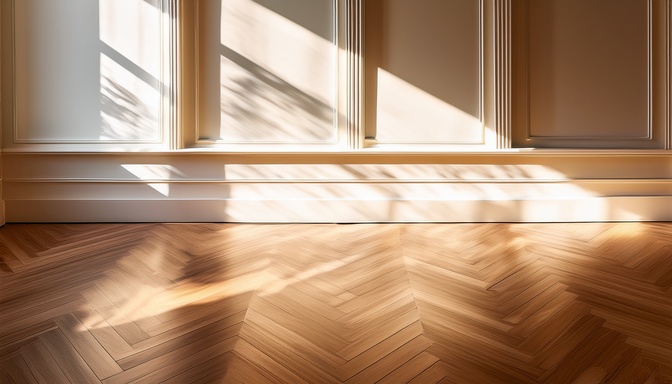
Multilayer parquet, as the name suggests, is made of two layers of wood: a top layer of hardwood 2.5–4 mm thick and a bottom layer of more economical wood, such as birch, which acts as a support. Multilayer parquet is often called pre-finished, as sanding and finishing operations are often carried out during production rather than after installation, making the latter less laborious and expensive.
The smaller amount of hardwood makes multilayer or pre-finished parquet more economical than solid wood, but also less durable over time: depending on use, multilayer parquet needs to be leveled, smoothed, and sanded (technically known as re-sanding) every 20–25 years, and it can be sanded fewer times than solid parquet.
Even with pre-finished and multilayer parquet, the choice of species and variants (light, dark, bleached, etc.) is vast.
As a guide, the cost of multilayer oak parquet is around €35 per square meter.
Laminate parquet flooring
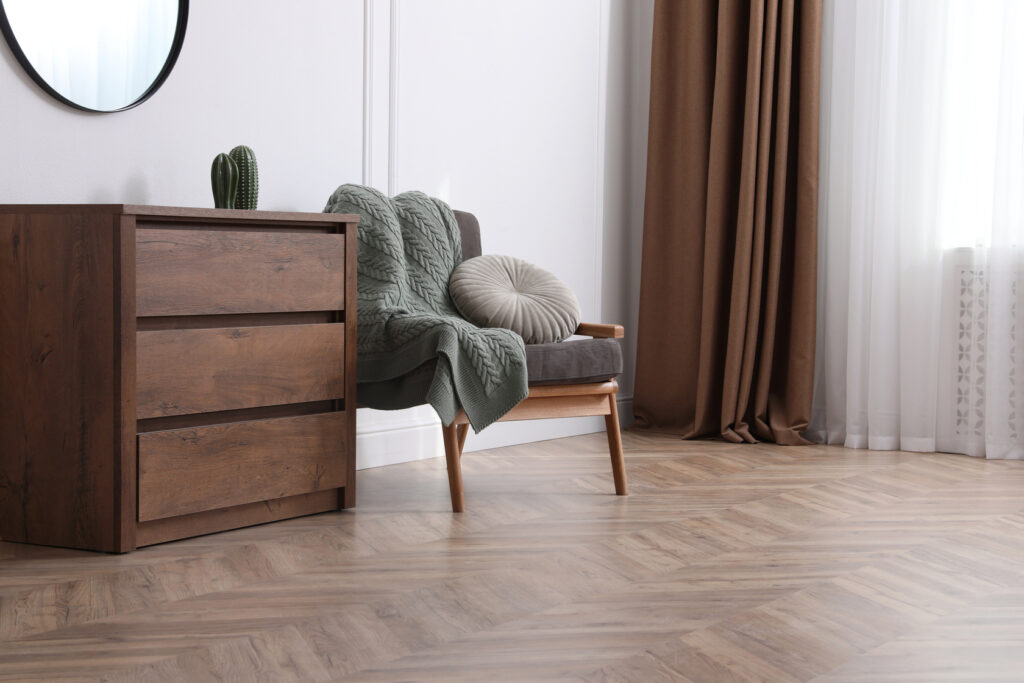
Laminate parquet consists of planks that reproduce the look of wood: a wood-effect image is applied to a high-density fiberboard base such as HDF or MDF, then the whole is covered with a transparent protective layer. The wood effect is very realistic and offers good resistance to scratches, moisture, and stains: there are also different wear resistance classes to suit the context in which they are installed.
The cost is significantly lower than wood floors made with fine species: prices start at approximately €10 per square meter, increasing based on the desired thickness and resistance class.
Furthermore, laminate flooring is also valued for its ease of installation and maintenance, features that make it a practical solution for many modern homes. Thanks to the wide range of finishes and shades available, it can be easily adapted to any interior design style, from classic to contemporary.
Wood-effect porcelain stoneware
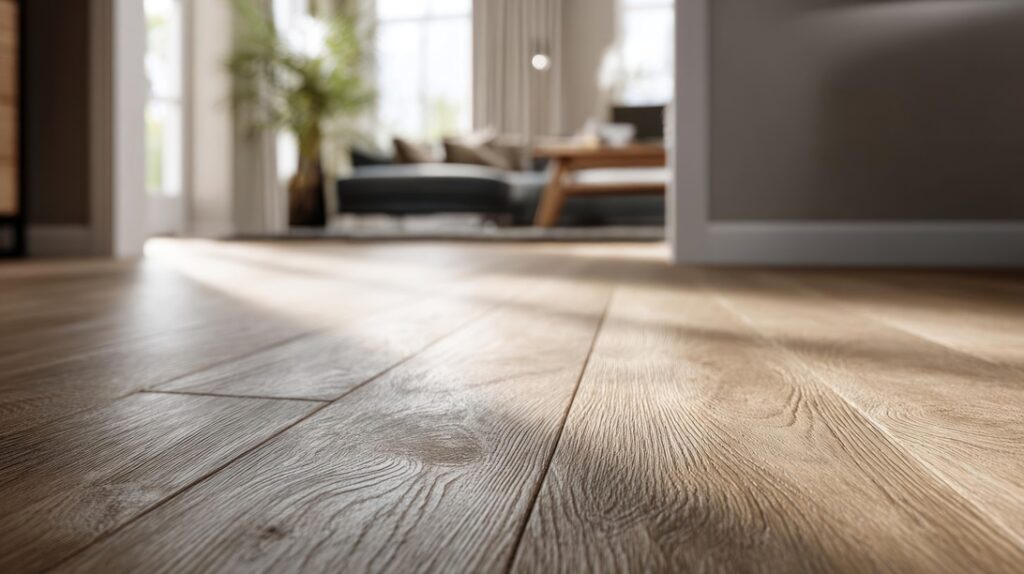
While laminate could still be considered a wood floor in some sense, with porcelain stoneware we firmly enter the category of wood-effect flooring. However, wood-effect porcelain stoneware is a very valid alternative to parquet that should certainly not be overlooked.
Modern wood-effect textures for stoneware tiles are extremely realistic and diverse; it is possible to find an imitation of almost any wood species. Furthermore, the excellent resistance of stoneware to wear and moisture makes this solution ideal for more critical environments where real wood might cause issues, such as bathrooms and kitchens, or even outdoors.
Wood-effect porcelain stoneware flooring costs approximately €25 per square meter, and with careful installation, the final result will be perfect.
If you are about to renovate a property and are considering installing a parquet floor, it is worth remembering that with tax bonuses, you can obtain a deduction of up to 50% of the expenses incurred, including floor installation.
What are you waiting for? Get a home renovation quote now.