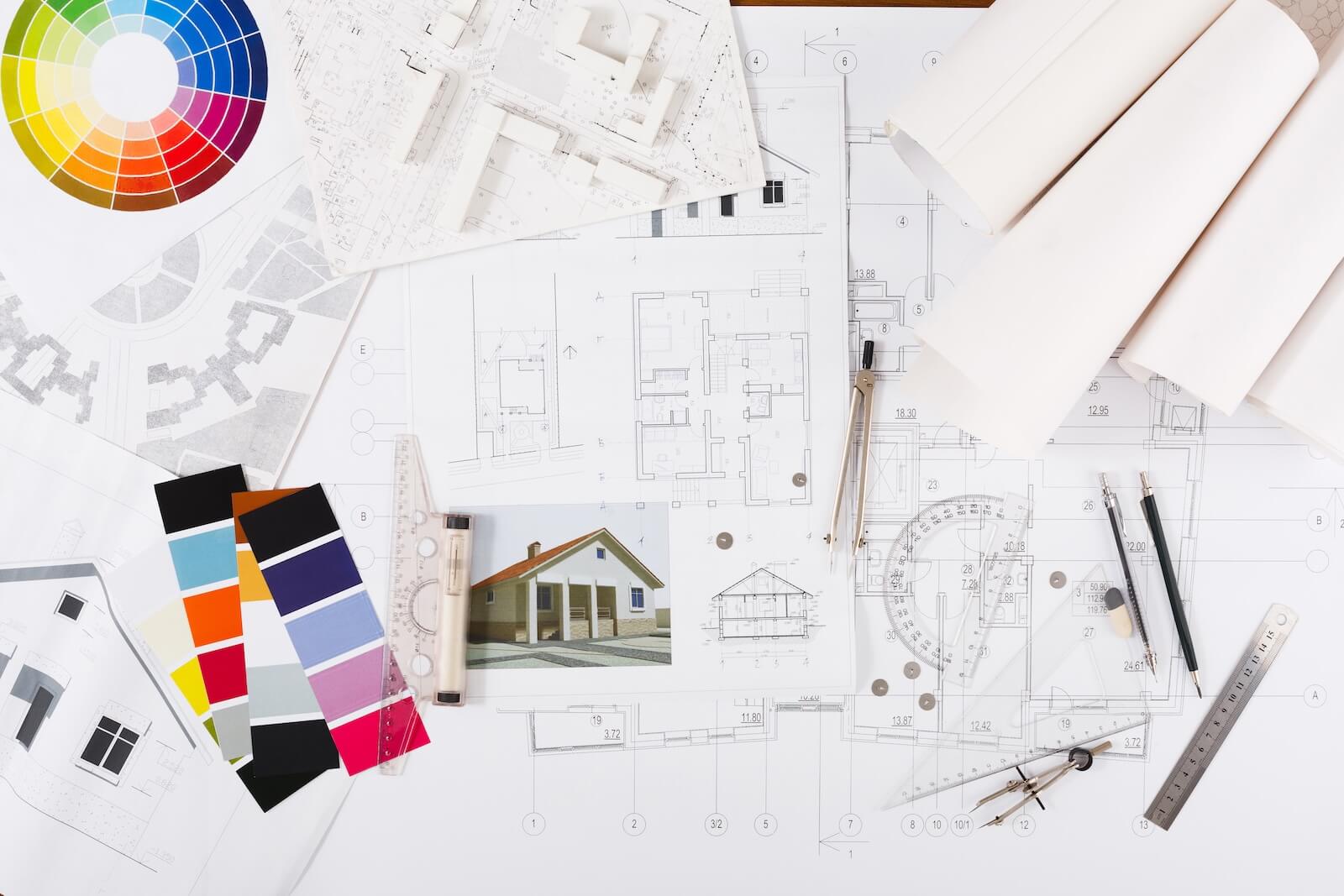
The renovation of a property, whether it is a house or an apartment, is a complex operation involving economic, regulatory, technical, and emotional aspects. It therefore requires careful and precise planning to ensure both the success of the investment and the quality of the final result.
But where to start when you decide to renovate your home? To find your way, it is useful to follow a comprehensive checklist that helps define priorities, objectives, and concrete steps to take from the start.
Renovation needs and objectives
Before starting a renovation, it is fundamental to clarify what needs are to be met and what objectives you wish to achieve. In fact, every intervention stems from a specific necessity: it could be the need for an extra room or bathroom, a desire for aesthetic renewal, an increase in property value, greater energy efficiency, or better organization of space.
Having a precise vision from the beginning allows for more informed and lasting decisions. Understanding what you truly want to achieve before starting the work is essential: without a clear direction, the renovation risks turning into a series of fragmentary and disconnected choices, which often lead to unsatisfactory results. Properly defining needs and objectives, instead, helps build a coherent, functional project capable of lasting over time.
Available budget
Before contacting a technician or a company, it is important to clearly define the maximum budget you are willing to invest. Planning the economic aspect from the outset helps to approach the renovation with greater awareness and to make more balanced decisions.
In addition to the main costs of the works, it is essential to also take into account ancillary expenses: taxes, permits, building procedures, and possible additional costs due to modifications or unforeseen events during the works. In these cases, it is always advisable to estimate a slightly higher figure than expected, so as to avoid the risk of finding yourself halfway through the project without the necessary resources to complete it.
It can also be useful to establish a list of priorities among the interventions. Should the budget prove insufficient, it will be easier to decide which works to keep and which to potentially postpone. In the case of a complete home renovation, the main expenditure items may include:
- demolition and reconstruction
- renewal of systems (electrical, plumbing, heating)
- finishes such as flooring, wall coverings, and fixtures
- furniture and accessories
- technical costs and building permits
Having a realistic economic framework from the beginning allows for better management of the entire project and reduces the risk of unforeseen events along the way. Do not forget to check for any bonuses and tax deductions for which the renovation might be eligible.
Choosing qualified firms and professionals
When you decide to renovate a home, relying on qualified professionals is fundamental to obtaining a safe, functional, and lasting result. A renovation, in fact, does not only concern the aesthetic appearance of the rooms, but also involves technical, structural, and regulatory aspects that require specific expertise.
Figures such as architects, engineers, surveyors, and specialized construction companies are able to correctly assess the state of the property, identify any critical issues, and propose solutions suited to the owner’s needs.
Relying on experts also means having a point of reference throughout the process, from design to site management, with the coordination of the various figures involved. This reduces unforeseen events, waste, and corrective interventions, resulting in a more efficient and higher quality renovation.
In particular, by choosing a turnkey renovation, all professional figures are coordinated by a single company, significantly simplifying communication and ensuring smoother management of the works.
Renovation design and scheduling
Once the professionals to whom the work will be entrusted have been chosen, you enter the design phase of the renovation. This is a very important moment, because it is here that the foundations of the entire intervention are defined. The first step is the property inspection, which allows technicians to assess the state of the house and identify the most suitable interventions to be carried out.
Subsequently, the process moves to the definition of the actual renovation project, the verification of necessary authorizations, and the drafting of the specifications, in which the works to be performed and the relative costs are indicated in detail. In this phase, the completion times and the overall budget of the intervention are also established, which are fundamental elements for having a clear picture of the project.
Once all these aspects have been defined, the contract is drafted and signed with the company that will perform the work. For this reason, it is important to pay close attention to every detail before starting, so as to avoid misunderstandings, delays, or unforeseen costs during the renovation.
Bureaucracy and necessary permits
Depending on the type of intervention planned, it may be necessary to submit certain building applications, such as the CILA (Certified Notification of Start of Works), the SCIA (Certified Notification of Start of Activity), or, in more complex cases, a Building Permit.
In this regard as well, it is very important to rely on competent and reliable professionals capable of correctly managing all the documentation and required procedures. Qualified support helps to avoid errors, delays, or bureaucratic problems that could slow down or complicate the start of the work.
If we are renovating an apartment, it is important to remember to inform the homeowners’ association and to comply with the provisions of both the building regulations and the Civil Code.
Choice of materials
The chosen materials influence not only the aesthetic appearance of the house, but also its resistance and durability over time. For this reason, it is important to dedicate a specific phase to the selection of wall coverings, finishes, flooring, and fixtures.
Every material has different characteristics, with advantages and limitations to be carefully evaluated: from porcelain stoneware to parquet, from PVC to solid wood, not all solutions are suitable for every environment. Making these choices in advance, possibly with the support of a professional, allows you to calmly evaluate alternatives and avoid rushed decisions when the construction site is already underway and timelines become more pressing.
Where to live during the renovation
An aspect that is often underestimated when planning a renovation is where to live during the works. If the intervention concerns the home where you usually live, it is important to consider the possibility of moving temporarily elsewhere.
The most practical solution is relocation, a temporary arrangement, taking only the essentials with you and returning home once the works are completed. Planning this move in time helps to manage the renovation with less stress and greater peace of mind.
Do you want to renovate your home? Get a renovation quote now.