
When preparing to carry out building renovation works for a house or an apartment, one generally speaks of renovation, but it is important to know that from a regulatory standpoint, interventions are divided into four distinct categories, which include different types of work and various bureaucratic procedures, based on Article 3 of Presidential Decree 380/2001: ordinary maintenance, extraordinary maintenance, conservative restoration, and building renovation. Let us look in detail at the differences and which interventions they include.
Ordinary maintenance works
The ordinary maintenance includes the set of interventions necessary to ensure the maintenance of efficiency and functionality of the parts of a property, without modifying its structure or intended use. These activities are intended to preserve the integrity and original functional characteristics of the asset, to restore its efficiency in the event of failures or anomalies, and to counteract the normal degradation resulting from use over time.
For ordinary maintenance interventions, no specific permits are required, nor are there obligations to notify the Municipality. Such works fall within the scope of free building activity, as established by the Ministerial Decree of March 2, 2018, which identifies the types of interventions that can be carried out without the need for administrative authorizations.
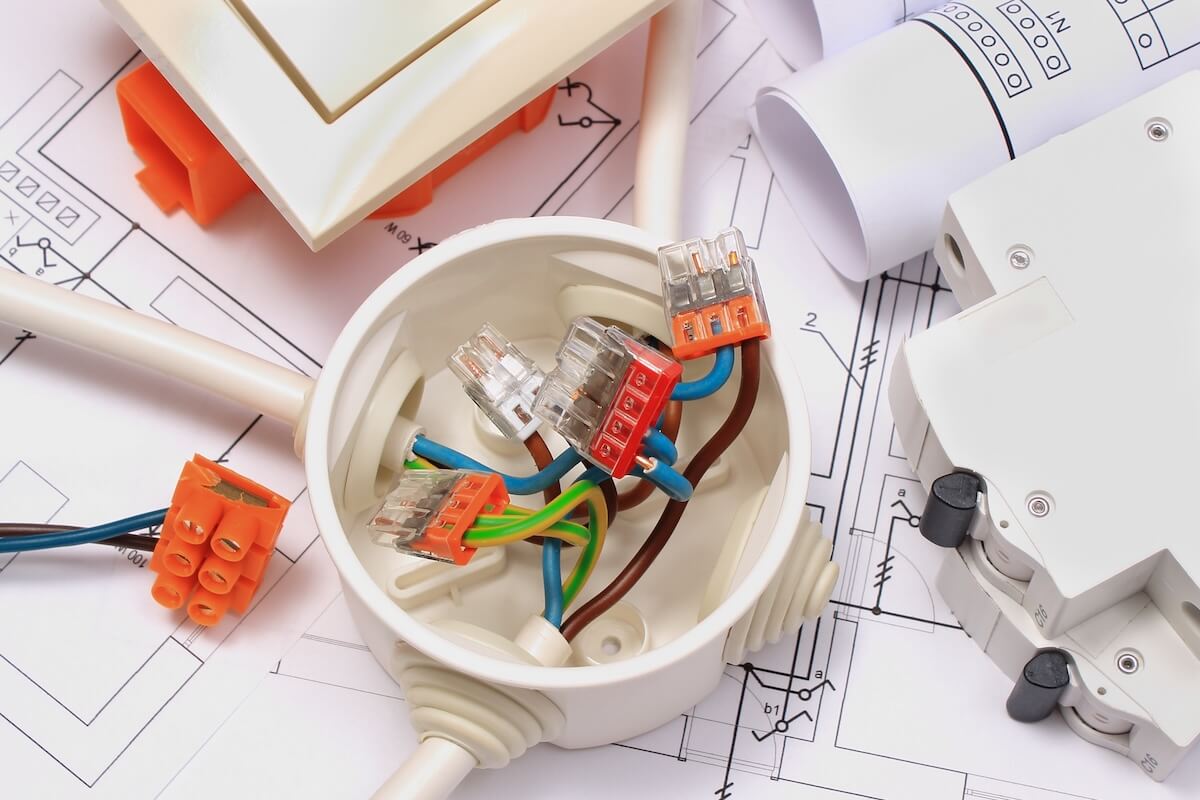
The ordinary maintenance interventions can be distinguished into internal works and external works. Internal works include, for example, the remaking of plaster, the replacement of doors, fixtures, and floors, as well as the repair or replacement of electrical and plumbing systems and the boiler.
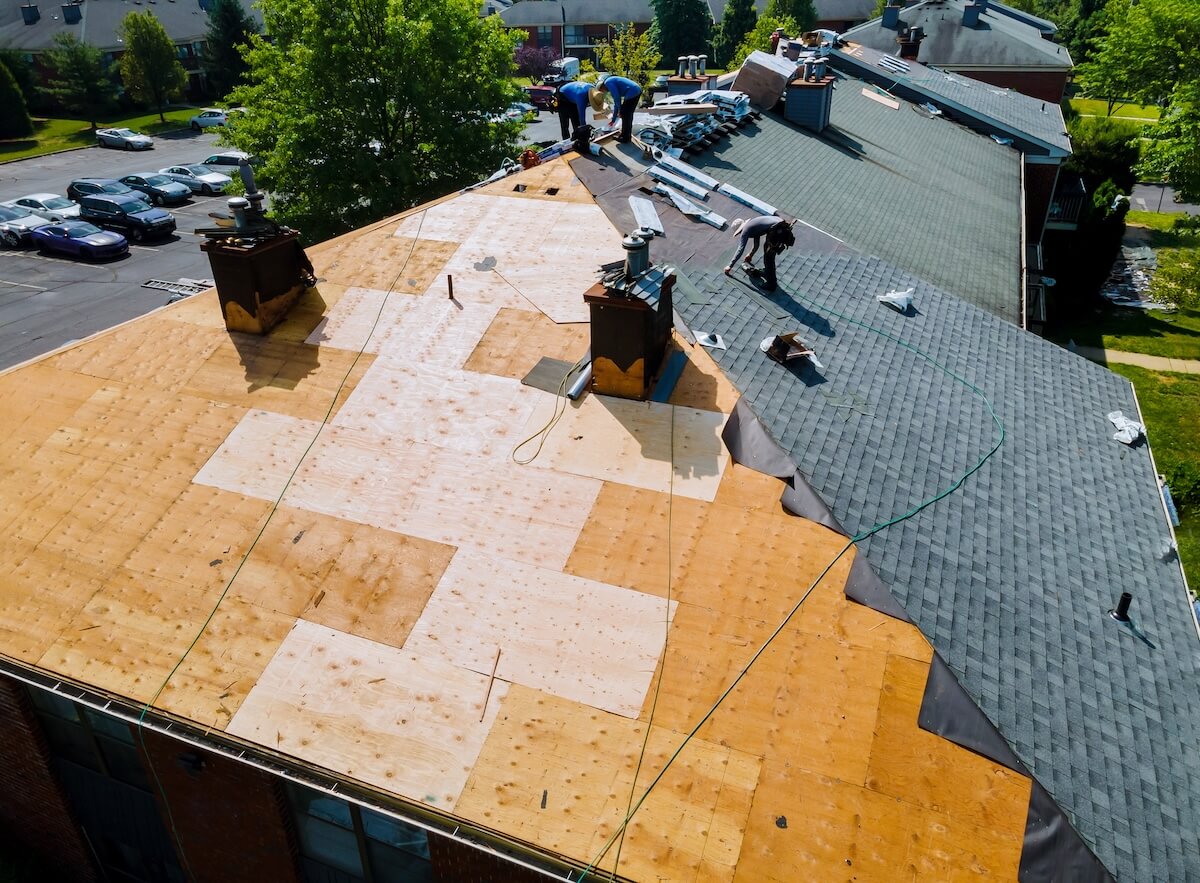
The external works, on the other hand, concern the renovation of facades, roof maintenance, the installation of awnings and mosquito nets, as well as the addition or repair of railings.
The ordinary maintenance interventions qualify for IRPEF tax deductions only if carried out on the common parts of apartment buildings, not for works on individual apartments, unless they are part of broader renovations.
Extraordinary maintenance works
The extraordinary maintenance is defined by the Consolidated Law on Building as the set of works and modifications necessary to renew and replace parts of buildings, including those of a structural nature. This category includes interventions that involve the creation or integration of sanitary and technological services, as well as changes to the intended use, provided they do not involve significant urban planning changes.
It also includes modifications to the elevations of legitimately constructed buildings, when they are necessary for the maintenance or acquisition of habitability or accessibility, provided they do not compromise architectural decorum.
Extraordinary maintenance interventions include operations such as the division or merging of real estate units, provided they do not involve changes to the overall volume of the building.
This category also includes structural interventions necessary for the consolidation of the building or the improvement of safety conditions, such as the static consolidation of load-bearing structures and the replacement of floors. Also included are the construction of boundary walls, fences, and gates, as well as the opening of new doors or windows to the outside.
Permits required for extraordinary maintenance works
Extraordinary maintenance interventions are divided into two main types. Light extraordinary maintenance includes non-structural works and modifications to internal spaces that do not involve changes to the building’s volume; the submission of a CILA is required for its execution. Heavy extraordinary maintenance, however, includes interventions that may affect the building’s structures and requires the submission of a SCIA.
Extraordinary maintenance and tax deduction
Extraordinary maintenance interventions benefit from the renovation deductions provided by the home bonus: a 50% IRPEF deduction on the primary residence and 36% on other homes, both up to a maximum of €96,000.
In summary, the difference between ordinary and extraordinary maintenance is that ordinary maintenance includes interventions aimed at preserving the efficiency and functionality of a building without modifying its structure or intended use, while extraordinary maintenance includes works that alter its structures, main elements, or use, such as renovations or expansions.
Building renovation interventions
The building renovation, as a regulatory definition, consists of a set of interventions aimed at transforming buildings through works that may modify the original structure.
It includes the restoration or replacement of the building’s constituent elements, as well as the elimination, modification, or insertion of new elements and systems.
Building renovation also includes demolition and reconstruction interventions of existing buildings, even with variations in shape, elevations, footprint, and architectural and volumetric characteristics; in such cases, innovations aimed at compliance with anti-seismic regulations, improvement of accessibility, installation of technological systems, and increased energy efficiency are permitted.
Reconstruction interventions of collapsed or demolished buildings are also considered building renovations, provided it is possible to ascertain their pre-existing consistency.
Many interventions are tax-deductible through various tax bonuses such as the Renovation Bonus, Sismabonus, and Ecobonus.
The permits required for building renovation interventions may include the Certified Notification of Commencement of Activity (SCIA), for interventions affecting structural parts of the building or involving significant changes, provided they are aimed at improving the structure without altering the shape. The Building Permit is required in cases where the renovation results in a building organism that is entirely or partially different from the previous one or involves changes to the overall volume.
Restoration and conservative rehabilitation
Restoration and conservative rehabilitation interventions are aimed at preserving the building organism and maintaining its functionality, through works carried out in respect of the typological, formal, and structural elements of the building itself.
Restoration is configured as a direct intervention on the property, organized into a series of operations aimed at ensuring its material integrity, recovery, and safeguarding, as well as the protection and transmission of its cultural values.
These interventions include the rehabilitation, restoration, and renewal of the building’s constituent elements, the insertion of accessory elements and systems necessary for use requirements, as well as the elimination of parts extraneous to the building organism, with the aim of preserving the pre-existing building layout without substantially modifying it, ensuring the overall functionality of the building and preserving its original intended use.
Are you looking to renovate your home? In addition to tax bonuses, discover our interest-free renovation financing!